Diocesan News
The Catholic Diocese of Ballarat marked an important step forward in 2026 with the introduction of a new Formation in Leadership for Synodality program, delivered in partnership with Catholic Theological College and supported by a bursary funded through the Therese D’Orsa Mission Fund.
This initiative grew out of the Ballarat Diocesan Assembly held at the end of 2024. The Assembly Report reflected a strong desire to build a more synodal Church—one grounded in listening, discernment and shared mission—and identified the need for intentional formation to support synodal leadership across the Diocese.
In response, the Diocese developed a Formation in Synodality Pilot Program, with its first module, Together On the Way with the Spirit, commencing in February 2026.
A Pilot Program Takes Shape
The inaugural module brought together a cohort of 20 participants from across the Diocese. Functioning as both an introduction and a pilot experience, it focused on the spirituality and biblical foundations of synodality and explored what it means to become a more synodal Church in contemporary times.
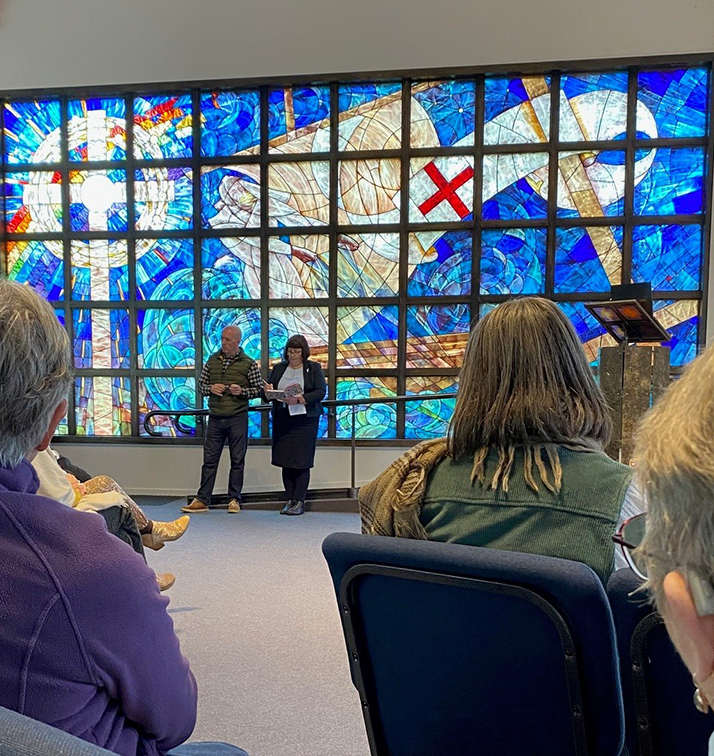
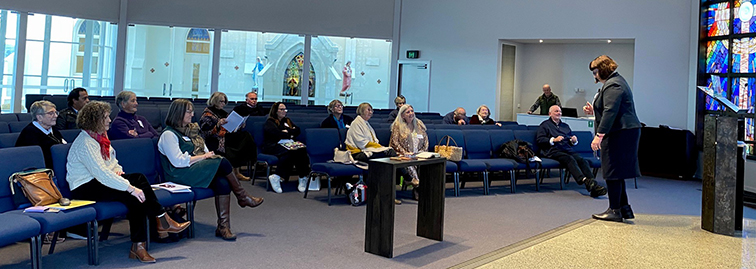
Delivered collaboratively by Catholic Theological College and the Diocese of Ballarat, Dr Rosemary Canavan and Fr Justin Driscoll, the module combined theological reflection, spiritual discernment and practical application. Through a reflective praxis format of two in-person gatherings at Ss Peter and Paul’s Church, Buninyong, plus two online sessions during the semester, participants were invited to engage deeply with Scripture, one another and the call of the Holy Spirit. Four members of this group undertook this formation for credit through a Supervised Reading unit with CTC, which involved fortnightly meetings with the supervisor Rosemary Canavan and the completion of assessments.
Learning for Synodal Leadership
A key focus of the formation was developing the knowledge, skills and dispositions needed to foster synodality in parish and diocesan life. Participants explored the experience of synodality in the early Church and its renewed expression in contemporary theological reflection and Church teaching.
The learning outcomes challenged participants to:
- Articulate and demonstrate the process of becoming a synodal Church in light of the experience of the early Church and contemporary Church teaching.
- Engage with, implement, and lead synodal processes, including Conversation in the Spirit, in support of diocesan and parish goals.
- Evaluate the implications of synodality for the life and mission of both parish communities and the Diocese as a whole.
Learning Through Practice
A defining feature of the program was its project-based approach. Each participant developed and implemented a synodal project within their own ministry context, parish, school, faith community or organisation.
Many projects aligned with the priorities identified through the Diocesan Assembly and sought to foster greater participation, listening, collaboration and discernment. The projects allowed participants to put their learning into practice and to explore how synodality can be lived in practical and meaningful ways.
Throughout the semester, participants were supported by a dedicated mentor and administrator, Martin Ryan, who accompanied them in their formation journey, offering guidance, encouragement and practical support.
Evaluating the Pilot
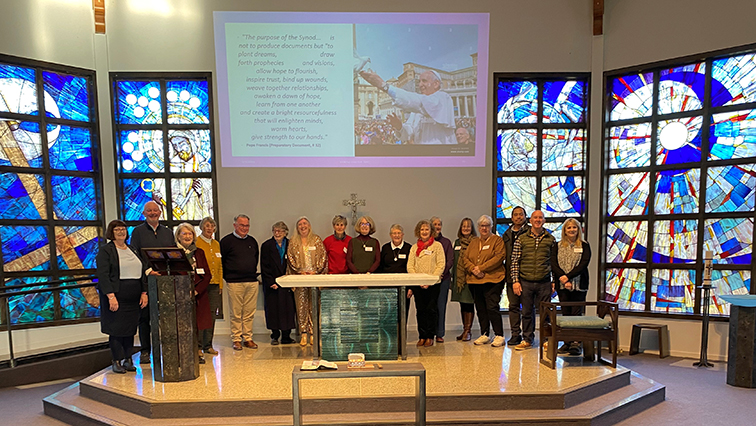
The concluding gathering held at Buninyong on May 30, 2026 provided an opportunity for participants to reflect on their experience and evaluate the pilot program.
One of the significant outcomes of the day was the emergence of what participants described as the “Five S’s of Synodality”:
- Slow
- Small
- Sustainable
- Spiritual
- Scriptural
These themes captured the group’s growing understanding that genuine synodal renewal requires patience, attentiveness to relationships, deep spiritual grounding and a willingness to allow change to unfold over time.
Participants also highlighted the importance of embedding synodality as an ongoing dimension of parish and diocesan life, rather than viewing it as a one-off initiative. Many recognised the need for continued formation and support if the momentum generated through the program was to be sustained.
The Importance of Walking Together
A particularly encouraging aspect of the final gathering was the presence of Bishop Mark throughout the day, this brought much encouragement and affirmation of participants in their synodal projects as Bishop Mark listened and observed, joining in the spiritual conversations and in the final feedback.
A number of important themes emerged from the final discussions:
- The need to continue embedding synodality across parish and diocesan life.
- The importance of engaging clergy in the synodal journey and supporting shared leadership.
- Opportunities for synodal parish visits and local initiatives that promote listening and discernment.
- The importance of communicating synodal stories and learnings through diocesan channels.
- Encouraging participants to share their experiences and learning with parish leadership teams.
- The desire for participants to remain connected and continue supporting one another beyond the pilot program.
- The need for ongoing formation opportunities in synodality and stronger links with other diocesan priorities, including mission, evangelisation, Christian initiation and pastoral care.
Looking Ahead
Perhaps the strongest message to emerge from the pilot program was the desire expressed by participants to continue the journey. Having experienced the richness of spiritual conversation, communal discernment and practical collaboration, many spoke of the importance of remaining connected and supported as they seek to foster synodal practices in their local communities.
The successful completion of Together On the Way with the Spirit marked a significant milestone in the Diocese of Ballarat’s ongoing response to the call of synodality. Through Scripture, reflection, accompaniment and practical action, participants not only deepened their understanding of synodality but also contributed to building a culture of listening, discernment and shared mission that will continue to shape the future life of the Diocese.