

Diocesan News
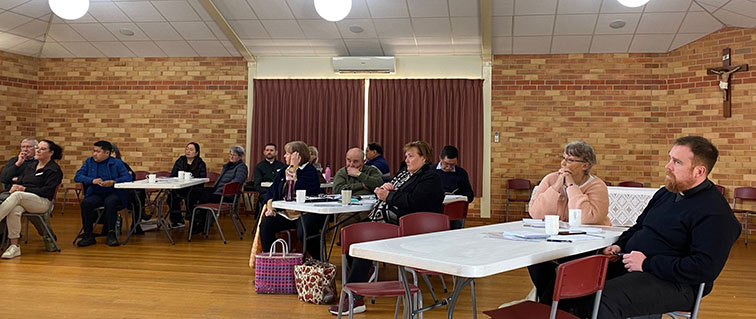
On Thursday, September 11, parish staff and clergy from across the Diocese came together for a full-day gathering dedicated to parish administration. The event focused on strategic updates, operational planning and fostering collaborative dialogue across ministries and departments, with an emphasis on shared mission and practical outcomes.
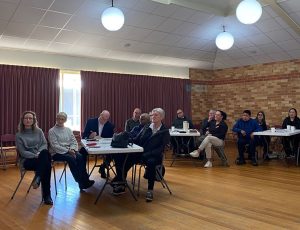
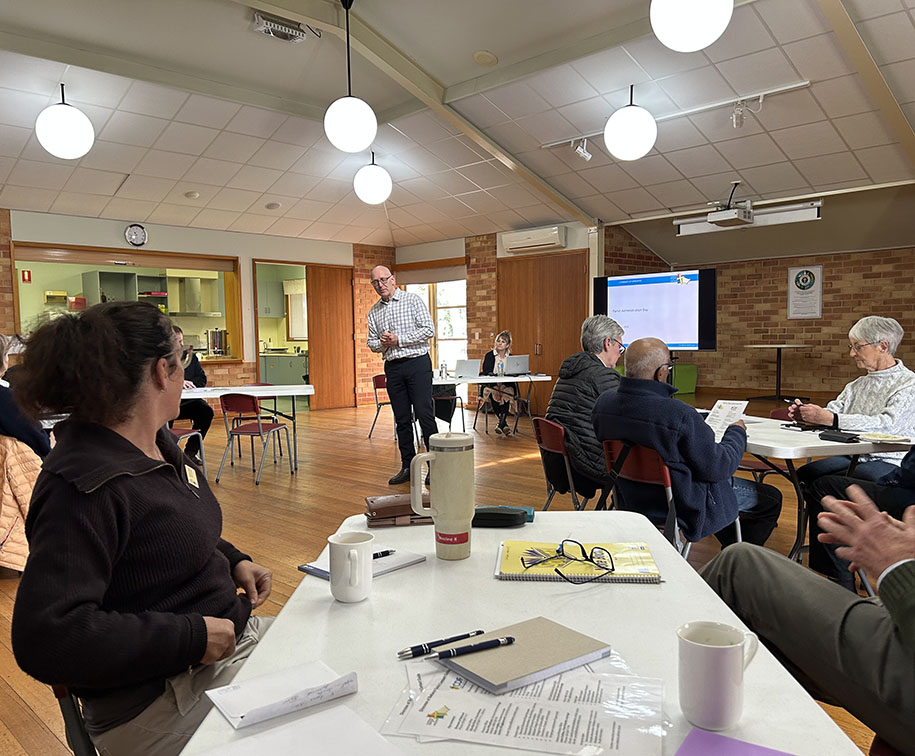
The meeting opened with a warm welcome and prayer from Mons. Glynn Murphy, setting the tone for a productive and engaging session. Jane Collins from the Pastoral Planning Panel led the first presentation, offering insights into the journey and activities since the diocesan assembly, highlighting recent initiatives and outlining future directions for community engagement and pastoral planning. Jane talked about one of the themes from the Assembly being the need for transformation. Transformation of structures, transformation of thoughts, transformation of purpose and attitude.
Ross Wheatland addressed various matters, discussing recruitment challenges, personnel changes and strategies to support diocesan teams. His presentation emphasised the importance of sustainable workforce planning and staff wellbeing. Ross talked about the diocesan website launched in July, featuring a nature-inspired aesthetic that reflects the spirit of Laudato Si and the Diocese’s dedication to ecological stewardship. The site’s upgraded backend introduces new capabilities, including custom form development, integrated donation functionality, and a streamlined system for parish updates—ensuring parishes can easily manage and share information with their communities. The guiding principles for the website were: keep it simple, focus on key priorities and centre efforts around parishes.
Ross mentioned that the Diocese has made significant strides in enhancing its IT infrastructure and services. The upgrade of server infrastructure and the mobilisation of the Diocesan team have both been successfully completed, improving connectivity and operational efficiency. Progress continues on several fronts, including the rollout of Microsoft licensing, the transition of finance applications and the development of a standardised IT offering for parishes. These initiatives aim to streamline digital operations, support parish-level technology needs and ensure consistent access to essential tools across the Diocese.
Ross’s presentation also noted that the Diocese continues to make progress with the PACEM system, now successfully implemented in three parishes—Ballarat East, South West Coast and Western Border—with Cathedral, East Wimmera and Sunraysia scheduled to follow. In insurance matters, the current policy remains in place until April 2026, with a modest rate reduction and a revised approach to property value assessments, allowing for more accurate rate calculations. Staffing updates included the appointment of Aileen Toohey as Work Health & Safety and Asset Administrator for the central parishes, and the anticipated arrival of a new Safeguarding Coordinator to serve the entire Diocese. The strategic use of alienated funds was also mentioned, with proposals set to be discussed at the next Council of Priests meeting. Maxine Vallance, Relationship Manager with the Catholic Development Fund (CDF), followed with a comprehensive update on the activities of the CDF. Her report covered financial performance, investment strategies and upcoming projects aimed at strengthening diocesan resources.
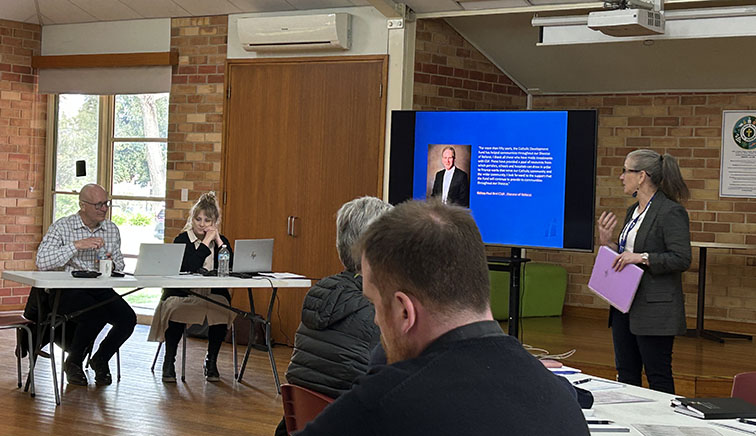
After a lunch break, the meeting resumed with a brief session on CARITAS provided by Jillian Hogbin, reaffirming the commitment to social justice and outreach. The presentation mentioned that this year, donations from schools, parishes, and individual donors in the Ballarat Diocese had increased 20% overall for 2025. Information was given for Project Compassion orders 2026 for parishes and to contact Jillian Hogbin at caritas@ballarat.catholic.org.au if any assistance is required for this.
Michael Myers then presented on Professional Standards, focusing on safeguarding policies, compliance updates and the ongoing commitment to safeguarding within the Church.
Malcolm Borg, Diocesan Archivist shared developments in diocesan archives, including digitisation efforts and improved access to historical records. His presentation underscored the importance of preserving the Diocese’s rich heritage. The development of a Master Plan around the archives includes management protocols and significance assessments.
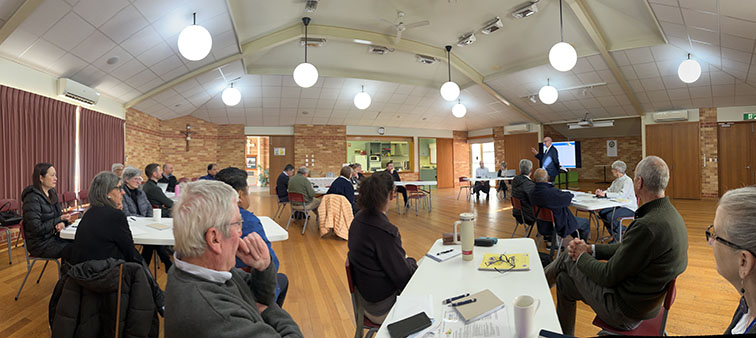
The afternoon session concluded with a thought-provoking Synodal Conversation centred on the question: “What transformation of parish administration is needed?” Participants were invited to reflect deeply on the nature and purpose of their parishes, their individual roles within parish life, and the broader mission of parish and diocese. The discussion encouraged exploration of shared values and considered new pathways for fostering deeper communion, active participation and more responsive parish structures.
The meeting finished around 3:15pm, marking the end of a day filled with meaningful dialogue and collaboration.